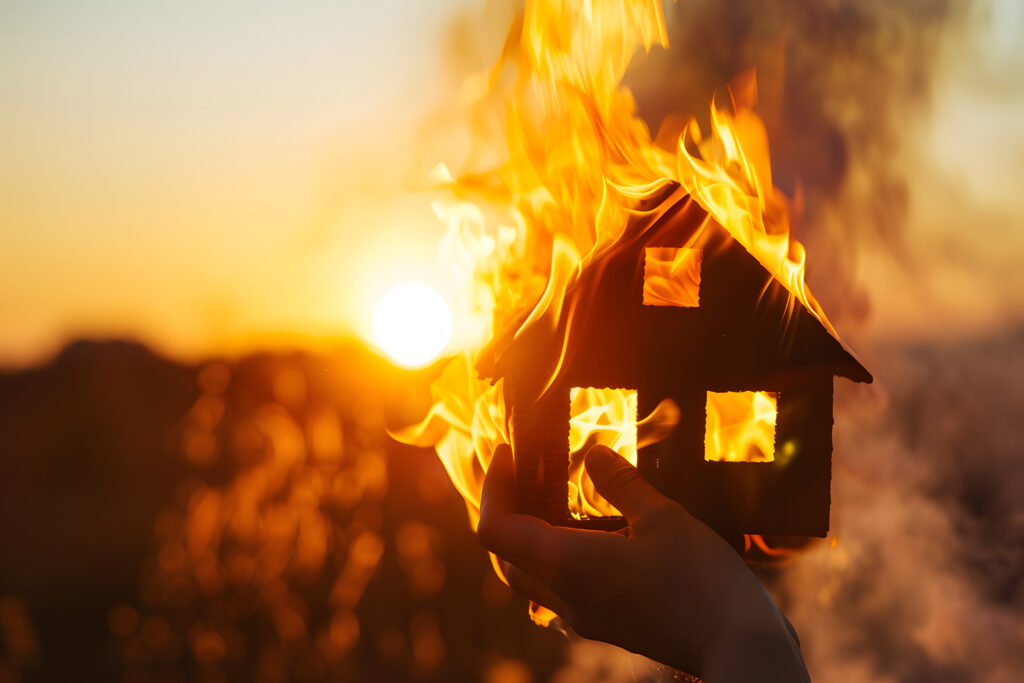
October is Fire Prevention Month, a time for families to focus on protecting their homes. Fire safety isn’t just about smoke detectors and drills—it’s also about stopping problems before they spark. Many house fires start as an electrical fire, caused by hidden hazards like worn wiring, overloaded outlets, or an overloaded electrical panel.
A professional electrical inspection can uncover these hidden hazards so that you can address them before they put your family at risk. In this blog, we’ll explain why Fire Prevention Month is the ideal time for a home electrical check, what an inspection includes, and how it helps keep your home safe for years to come.
Electrical Fire Safety in the Modern Home
Fire Prevention Month first began as a week of fire safety awareness in 1922—established in memory of the Great Chicago Fire of 1871. That fire tore through the city, killing hundreds and destroying thousands of buildings. Even decades later, its devastation is still a powerful reminder of how fast a spark can devastate an entire community. Back then, the biggest threats were wood-frame houses, open flames, and tightly packed neighborhoods where fire spread like lightning.
Fast forward to today, and our at-home fire risks look different—but are no less serious. We may have sturdier construction and stronger safety codes, but every home still relies on a constant stream of contained electrical current. Unlike the open flames of the past, today’s fire risks are built into the walls, with miles of wiring feeding outlets, appliances, and devices.
When that current is forced through aging wires or an overloaded electrical panel, it can create sparks, overheat the system, and even ignite fires.
Aging Systems, Rising Risks
Modern homes rely on more electricity than ever. Larger appliances, HVAC systems, and countless devices all draw power daily. Over time, this can reveal weak points in wiring, outlets, and breaker panels that may need attention.
Common trouble spots include:
- Frayed wires that leave live current exposed, creating a risk of shock or fire
- Loose or corroded connections that create heat and sparks
- Overloaded circuits that can overheat and fail
- Aging breaker panels that can’t handle modern demand
The danger is that these problems rarely show themselves until it’s almost too late. A breaker that trips frequently, a flickering light, or a warm outlet may seem minor, but they’re often the first signs of serious trouble. Left unchecked, those small warnings can escalate quickly into sparks, overheating, and even fire.
According to the Electrical Safety Foundation International (ESFI), about 51,000 home electrical fires occur each year in the U.S., causing nearly 500 deaths and more than 1,400 injuries. Many of these start with issues homeowners never even knew existed.
That’s why professional electrical inspections matter. They uncover weak points before they become emergencies, giving you the chance to make repairs and keep your family safe.
What an Electrical Inspection Really Covers
An inspection isn’t just about preventing fires—it’s about making your whole home safer, more reliable, and better prepared for the future. Here are four ways a professional check-up protects your home and family:
1. Stops Problems Before They Spark
Flickering lights, tripping breakers, or warm outlets might seem harmless, but they often signal overloaded circuits, frayed wiring, or loose connections. An inspection identifies these warning signs early, before they grow dangerous.
2. Keeps Up with Modern Demands
Many homes in Arizona and New Mexico were built before today’s high-demand appliances. Older wiring and panels may not be sized for HVAC systems, tankless water heaters, or home offices. An inspection shows whether your system can handle the load—or if upgrades are needed.
3. Protects Appliances and Electronics
Bad wiring isn’t just a fire risk—it also strains your appliances, drives up energy bills, and shortens the lifespan of your electronics. Inspections uncover these weak points and recommend fixes that protect both your devices and your investment.
4. Provides Peace of Mind
The biggest benefit of an electrical inspection is clarity. Whether your system checks out fine or needs improvements, you’ll know exactly where your electrical system stands—instead of wondering about hidden hazards. That confidence means you can focus on living in your home, not worrying about it.
Signs It’s Time to Schedule a Home Electrical Inspection
Don’t wait for sparks or smoke before calling an electrician. These warning signs mean your system may already be in trouble:
- Breakers that trip or fuses that blow repeatedly—this is often a sign of overloaded circuits or failing components.
- Lights that dim or flicker when appliances run—this can signal wiring issues or a panel struggling to keep up.
- Outlets or switches that feel hot, spark, or smell burnt—these are urgent red flags for fire risk.
- Buzzing sounds from outlets or your panel—unusual noises mean current isn’t flowing cleanly and safely.
- Burning or smoky odors near outlets, switches, or appliances—a major warning of overheating wires or connections.
- Outdated wiring, such as aluminum (common in the 1960s-70s) or knob-and-tube (mostly pre-1940s)—if your system is older (40+ years), then the wiring may not be built for modern electrical demand.
- Recent remodels or new appliances—if new electrical work wasn’t inspected by an expert electrician, these upgrades could strain or overload a system not sized for modern use.
If you notice any of these signs, call a trusted electrician promptly.
Local Factors for Southwest Homes
Southwestern homes face unique electrical demands throughout the year. Long, hot summers push AC and refrigerated air systems to the limit. By fall and winter, furnaces, space heaters, and holiday lights add another layer of strain.
Older neighborhoods may still rely on outdated panels and wiring that were not designed for today’s demand. Rural areas often experience voltage fluctuations that can put extra strain on appliances and circuits. No matter where you live in the Southwest, your electrical system works harder than most people realize.
That’s why October is the ideal time for an inspection. It ensures your system is ready not only for the ongoing demands of heating and cooling, but also for the surge in holiday cooking, lighting, and heavier energy use that comes with winter.
Make Fire Prevention Month Count
This October is the perfect time to take action, not chances. Remember, if you notice warning signs of electrical trouble—such as your breakers tripping, lights flickering, or outlets emitting strange burning smells—act quickly. Schedule an electrical inspection to ensure that any hidden risks to your home and family are uncovered and addressed—before these problems become actual dangers. Give our expert electricians a call today!